Introducing ProMa Master Plus, a 3D tablet with instant AI 2d to 3D conversion

{:en} Say goodbye to the limited angles of traditional 3D displays! The ProMa Master Plus Tablet is here to revolutionize your viewing experience with crystal clear images that maintain their quality no matter the angle. This means you can immerse yourself in 3D content more comfortably than ever before. Designed for 3D enthusiasts, the Master … Read more

{:en}ProMa, our new brand created by and for 3D heavy users{:}{:es}ProMa, nuestra nueva marca diseñada por y para entusiastas del 3D{:}{:ca}ProMa, la nostra nova marca per a entusiastes del 3D{:}

{:en}

UPDATE: Now we also have glasses-free 3D tablet.

In collaboration with a leader manufacturer of 3D devices, we have created the brand ProMa. For those looking for rock solid quality and 3D capabilities beyond expectations.

We have been using 3D devices for almost 2 decades, and bringing you news about Stereoscopic 3D since 2017. While every 3D device we use bring us amazing experiences we also are irritated about some aspects or details that brands are repeating on every device, the sort of things that limit the potential of the devices; like the infamous favorite: not able to play 3D YouTube videos, even if you can upload right from the device the 3D videos you recorded, just because the brand doesn’t consider important to watch the largest library of 3D videos available on the internet. And this is not the only mistake brands commit on almost each new 3D device.

When a brand decides to launch a new 3D device usually doesn’t know how to make a good 3D device, it is not part of their expertise, so they simply commission a 3D screen to other manufacturer and they think the work is done, they have a flawless new 3D device… Except for the thing they don’t adapt the software on the device to fully use the potential of the hardware, they usually rely on making agreements to include some Apps that use the 3D capabilities, but only when using that App, not everywhere.

So after years looking for brands and manufacturers we have joined with a leader manufacturer of 3D devices, they have been developing 3D devices and components for other brands for years, including 3D devices of popular brands. The result of that collaboration is a new brand: ProMa. And you can find already the first product of that collaboration on our Shop. An immersive glasses-free monitor with the latest 3D technology that offers more definition and more immersion than other glasses-free devices. The integrated eye-tracking is responsive and fast, and will assure you never lose the 3D image. The objective is to provide a great experience with any 3D content and also to offer a good quality device.

ProMa devices are designed considering the power-user’s needs. For example, the VR monitor does not only bring you perfect 3D images, but also comes with a carrying case with wheels, so professionals and enthusiasts can easily transport the monitor to other location so can showcase the exciting 3D content to customers, friends and so.

And this is only the beginning, we will introduce an exciting new product next weeks. Our objective is to offer products that use the latest advancements to offer the best 3D experiences with fewer compromises possible.

Limited offer! Use coupon code PROMANEW at checkout to get $50 off!

{:}{:es}

ACTUALIZACIÓN: Ahora también tenemos tablet 3D sin gafas.

En colaboración con un fabricante líder de dispositivos 3D, hemos creado la marca ProMa. Para aquellos que buscan una calidad sólida como una roca y capacidades 3D más allá de las expectativas.

Llevamos casi dos décadas usando dispositivos 3D, y desde 2017 te traemos noticias sobre 3D estereoscópico. Aunque cada dispositivo 3D que usamos nos brinda experiencias increíbles, también nos irritan algunos aspectos o detalles que las marcas repiten en cada dispositivo, el tipo de cosas que limitan el potencial de los dispositivos; como el infame favorito: no poder reproducir vídeos 3D de YouTube, incluso si puedes cargar directamente desde el dispositivo los vídeos 3D que grabaste, solamente porque la marca no considera importante ver la mayor biblioteca de vídeos 3D disponible en Internet. Y este no es el único error que cometen las marcas en casi cada nuevo dispositivo 3D.

Cuando una marca decide lanzar un nuevo dispositivo 3D normalmente no sabe cómo hacer un buen dispositivo 3D, no es su especialidad, así que simplemente encargan una pantalla 3D a otro fabricante y creen que el trabajo está hecho, tienen un flamante nuevo dispositivo 3D… Excepto por el hecho de que no adaptan el software del dispositivo para utilizar plenamente el potencial del hardware, normalmente se basan en hacer acuerdos para incluir algunas aplicaciones que utilizan las capacidades 3D, pero solo cuando se utiliza esa aplicación, no en todas partes.

Así que después de años buscando marcas y fabricantes nos hemos unido a un fabricante líder de dispositivos 3D, que lleva años desarrollando dispositivos 3D y componentes para otras marcas, incluyendo dispositivos 3D de marcas populares. El resultado de esta colaboración es una nueva marca: ProMa. Y ya puedes encontrar el primer producto de esa colaboración en nuestra Tienda: Un inmersivo monitor 3D sin gafas, con la última tecnología 3D que ofrece más definición y más inmersión que otros dispositivos sin gafas. El seguimiento ocular integrado es sensible y rápido, y te asegura que nunca perderás la imagen 3D. El objetivo es proporcionar una gran experiencia con cualquier contenido 3D y también ofrecer un dispositivo de buena calidad.

Los dispositivos ProMa están diseñados teniendo en cuenta las necesidades del usuario. Por ejemplo, el monitor VR no solo ofrece imágenes 3D perfectas, sino que también viene con un maletín de transporte con ruedas, para que profesionales y entusiastas puedan transportar fácilmente el monitor a otro lugar y así poder mostrar emocionante contenido 3D a clientes, amigos y demás.

Y esto es solo el principio, en las próximas semanas presentaremos un nuevo y emocionante producto. Nuestro objetivo es ofrecer productos que utilicen los últimos avances para ofrecer las mejores experiencias 3D con los menores compromisos posibles.

¡Oferta limitada! Usa el cupón PROMANEW en tu carrito para obtener un descuento de 50 dólares al comprar el nuevo monitor ProMa VR

{:}{:ca}

ACTUALITZACIÓ: Ara també tenim tauleta 3D sense ulleres!

En col·laboració amb un fabricant líder de dispositius 3D, hem creat la marca ProMa. Per a aquells que busquen una qualitat sòlida com una roca i capacitats 3D més enllà de les expectatives.

Portem gairebé dues dècades usant dispositius 3D, i des de 2017 et portem notícies sobre 3D estereoscòpic. Encara que cada dispositiu 3D que utilitzem ens brinda experiències increïbles, també ens irriten alguns aspectes o detalls que les marques repeteixen en cada dispositiu, el tipus de coses que limiten el potencial dels dispositius; com l’infame favorit: no poder reproduir vídeos 3D de YouTube, fins i tot si pots carregar directament des del dispositiu els vídeos 3D que has gravat, només perquè la marca no considera important veure la més gran biblioteca de vídeos 3D disponible a Internet. I aquest no és l’únic error que cometen les marques en gairebé cada nou dispositiu 3D.

Quan una marca decideix llançar un nou dispositiu 3D normalment no sap com fer un bon dispositiu 3D, no és la seva especialitat, així que simplement encarreguen una pantalla 3D a un altre fabricant i ja donen el treball per fet, tenen un flamant nou dispositiu 3D… Excepte pel fet que no adapten el programari del dispositiu per a utilitzar plenament el potencial del maquinari, normalment es limiten a fer acords per a incloure algunes aplicacions que utilitzen les capacitats 3D, però només quan s’utilitza aquesta aplicació, no a tot arreu.

Així que després d’anys buscant marques i fabricants ens hem unit a un fabricant líder de dispositius 3D, que porta anys desenvolupant dispositius 3D i components per a altres marques, incloent-hi dispositius 3D de marques populars. El resultat d’aquesta col·laboració és una nova marca: ProMa. I ja pots trobar el primer producte d’aquesta col·laboració a la nostra Tenda: Un immersiu monitor 3D sense ulleres, amb l’última tecnologia 3D que ofereix més definició i més immersió que altres dispositius sense ulleres. El seguiment ocular integrat és sensible i ràpid, i t’assegura que mai perdràs la imatge 3D. L’objectiu és proporcionar una gran experiència amb qualsevol contingut 3D i també oferir un dispositiu de bona qualitat.

Els dispositius ProMa estan dissenyats tenint en compte les necessitats de l’usuari. Per exemple, el monitor VR no sols ofereix imatges 3D perfectes, sinó que també ve amb un maletí de transport amb rodes, perquè professionals i entusiastes puguin transportar fàcilment el monitor a un altre lloc i així poder mostrar emocionant contingut 3D a clients, amics i altres.

I això és només el principi, en les pròximes setmanes presentarem un nou i emocionant producte. El nostre objectiu és oferir productes que utilitzin els últims avanços per a oferir les millors experiències 3D amb els menors compromisos possibles.

Oferta limitada! Fes servir el codi PROMANEW a la teva cistella per a obtenir un descompte de 50 dòlars en comprar el nou monitor ProMa VR

{:}
{:en}Sony is launching professional Holographic 3D displays{:}{:es}Sony lanza un nuevo monitor 3D Holográfico para el sector profesional{:}{:ca}Sony presenta un monitor 3D Hol·logràfic per professionals{:}

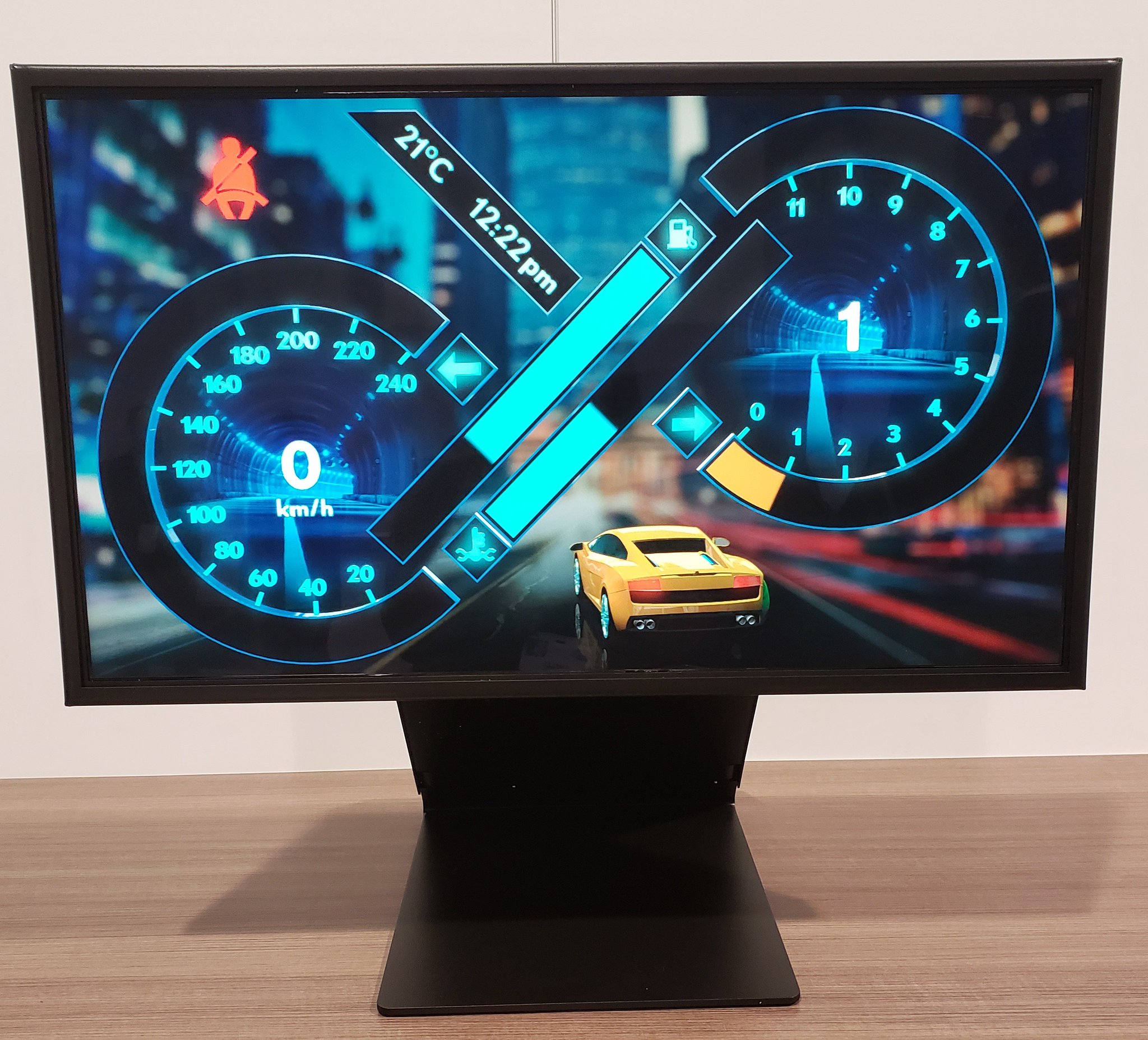
{:en} Definitely this year there’s an explosion of Holographic 3D screens, and more are coming next year. This time is a big player like Sony who is launching a new addition to it’s professional catalog, an Holographic 3D monitor mainly focused on 3D model visualization, although it can be used with Unity and Unreal too … Read more

{:en}CES 2019. All the information about the upcoming Holographic 3D screens{:}{:es}CES 2019. Toda la información sobre las nuevas pantallas 3D Holográficas{:}{:ca}CES 2019. Tota la informació sobre les noves pantalles Hologràfiques 3D{:}

{:en}

  • CES is becoming more and more interesting for 3D enthusiasts.
  • This year Holography has begun to steal prominence from other emerging technologies. It can be more widespread in the future than AR and VR, as glasses or helmets are not required.
  • 3D is everywhere: cameras with depth sensor, Virtual Reality, Augmented Reality, 3D scanners, use of 3D models even for sports broadcasts on TV. Industry uses 3D but needs to work with real depth instead of dealing with 3d models on 2d screens.

Ultra-D

This year we were very interested in what Stream TV Networks was going to show.

Ultra-D 4K screens offer a great experience without needing glasses, but now they have refined the experience with 6K screens, which they have called 8K lite, with 16 million pixels it is halfway between 4K and 8K. As an 8K screen is indistinguishable from a 4K (unless you are 30cm/12 inches from the screen as the journalist Richard Windsor explains in his summary of CES 2019), the extra definition allows to reach maximum definition perceived for our eyes also for Holographic 3D images. It’s like having a open window to another world that also allows you to see other angles of the holographic image, even for people who due to vision problems can not see 3D.

The holographic image can be obtained directly from 3D, thanks to depth maps. Modern day smartphones with dual cameras calculate depth for bokeh effect, achieving great results even with such small distance between lenses. The advantage of 3D content is a greater interpupillary distance (which is the distance between the centers of the pupils of the eyes) so it is even easier to calculate depth maps.. There’s no need to produce again everything in Holographic 3D format, all current 3D content can be enjoyed in Holographic 3D. From the beginning you can enjoy the new Holographic 3D format with any 3D content available in the market, These comprise all existing and upcoming 3D movies, millions of 3D images on the Internet and on Phereo community, and the thousands and increasing 3D YouTube videos.

In November 2018, Stream TV Networks introduced a 8K Lite 65″ TV. This time a 27″ 8K Lite PC monitor was shown. Thanks to the extra push in resolution Holographic 3D images will look as sharp as in 2d. Let’s hope that almost any game can be played in 3D even if developers do not adapt their games, as is currently the case with NVIDIA 3D VISION.

They also showcased a functional tablet and prototypes of 5.9″ and 10″ screens. They spoke about Ultra-D in cinemas, so there will be no need to wear glasses to watch 3D movies in the cinema. And they were clear to assure depth maps can be streamed together with the regular image of streaming services -such as Vudu or Netflix-, the needed bandwith is even lower than streaming 3D content.

As you know Ultra-D will not directly sell the screens. Brands don’t usually manufacture their own panels, they order the panels from one of the 5 suppliers available in the world. Stream TV Networks has teamed up with BOE, the largest TV panel manufacturer in the world. They partnered to integrate Ultra-D technology into all the product lines. So we expect to see the first Ultra-D Holographic 3D TV this year.

Interview with Duncan Humphreys, head of production at Stream TV Networks.

https://twitter.com/UltraD3/status/1083434195773353985

MOPIC

The creators of Snap3D mobile case have introduced new tablet cases and a PC monitor with eye-tracking so you never lose 3D. Monitor use lenticular lens and support SBS, T&B and VR image formats, something nvidia 3d vision does not support.

There’s a Unity SDK to adapt games, but is better the nvidia aproach of trying to render any game in 3D, fortunately there’s a setting in 3D Fix Manager to output SBS signal. There’s 3 models, one of them 4K.

ViewPoint

The creators of Viva3D have updated their software with many new features, including support for new auto stereoscopic monitors using depth maps (such as the Dimenco or Ultra-D). A text-to-speech module has been added that can be triggered for example by proximity of a user. To enhance this function, artificial intelligence is used to respond to the voice without the need for an internet connection. The software uses a highly optimized raytracing engine which allows you to use 4K scenes on a $100 tablet:

Dimenco

They presented an interactive Holographic 3D screen, they added cameras to improve the accuracy of the interaction. The current prototype is far from what it will be in the future. We’ll talk about it in an article called “The Third Revolution of 3D”.

SeeReal

This company claims to have developed holographic 3D screens that allow natural focusing, as if the mountains in the background were really tens of kilometers away, so they may be using light fields). Since it is something much more advanced than Ultra-D (and that will surely be part of the cinemas of the future) we don’t believe that we will see it soon in real products. From what they say on their website the technology can be used on TV, mobiles and computers. They even say that it can be adapted to current screens, but we have to see it to believe it.

Hypervsn

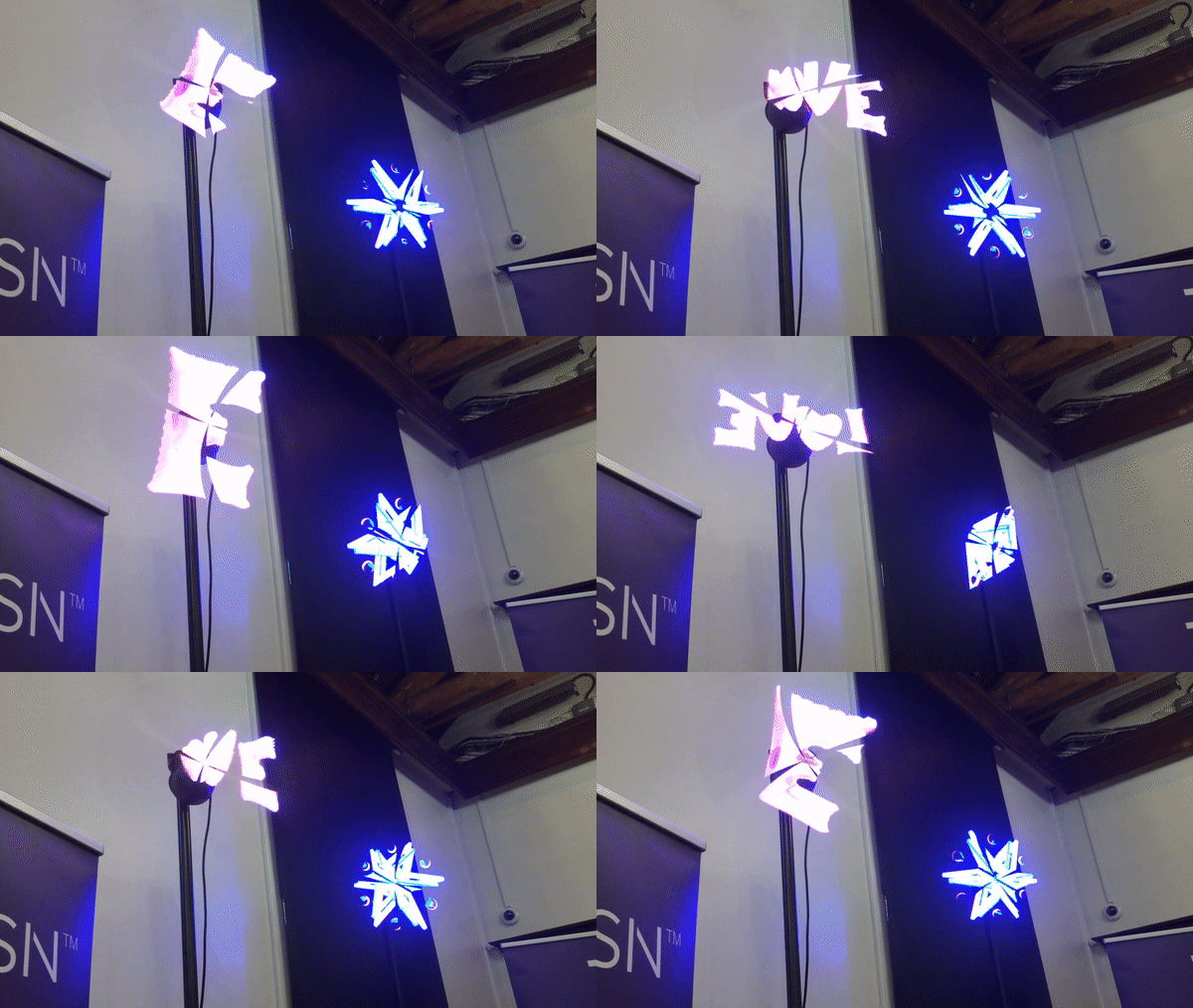
Unfortunately, this is the “holographic” technology that has attracted the most attention. When the media talk about holography at CES they only talk about Hypervsn. The worst thing is when the media are impressed and say that hopefully it will be introduced into homes as if there were no Holographic 3D TVs at CES. Hypervsn consists of a series of fans with lights that produce 2d images by rotating. It can be interesting for shop windows in the streets, advertising stores. But we don’t see any future for it at home (a fan as a screen? Really?). The worst thing is that they are not real holograms because they are crushed in 2d, they only look like 3d when the image rotates, that’s why they always show them with rotating images.

It’s sad, but these “holograms” are just as false as seeing this logo rotating on the 2d screen of your computer or mobile:

According to the “technological” media when you see this logo rotating you are watching a hologram

Recap

It’s ironic that the whole industry uses depth maps and 3D models, and is designing all of this on 2d screens. They lost a lot of time having to see the models from 3 different angles and having to rotate constantly the models to help the brain decode the 3D information.

It’s also shocking the ignorance of the media calling holograms to watch virtual models from a 2d tablet having to hold and point the device in front of you. It’s pitiful and demonstrates the lack of knowledge of the supposedly technological media, which are becoming a kind of gossip columns about what’s trendy (and fashion) instead of talking about technology.

However, for 3D enthusiasts the future is hopeful, as we have many ways to continue using digital 3D and transition to Holographic 3D with Ultra-D and Leia screens (You can already buy the first mobile with Holographic 3D screen). Let’s hope we finally see Ultra-D this year. Leia will continue the legacy of Red Hydrogen One on other devices, with the improvements made thanks to the knoweledge of users of the smartphone are sharing.{:}{:es}

  • El CES cada vez se pone más interesante para los amantes del 3D.
  • Éste año la Holografía ha empezado a robar protagonismo a otras tecnologías emergentes, que gracias a no requerir gafas ni cascos puede tener un papel más masivo en el futuro que otras tecnologías.
  • El 3D está por todas partes: cámaras con sensor de profundidad, Realidad Virtual, Realidad Aumentada, escáners 3D, uso de modelos 3D hasta para retransmisiones de deportes en TV. Solo falta una tecnología que muestre todo esto con su profundidad real en vez de aplastado en pantallas 2d.

Ultra-D

Como no podía ser de otra manera, este año hemos estado muy atentos a todo lo que Stream TV Networks fuera a mostrar.

Las pantallas Ultra-D 4K ya ofrecían una gran experiencia sin necesidad de gafas, ahora han refinado la experiencia con pantallas 6K, a las que han llamado 8K lite y que con sus 16 millones de píxeles están justo a medio de camino entre el 4K y el 8K. Como una pantalla 8K es indistinguible de una 4K (a no ser que estés a 30cm de la pantalla tal y cómo explica el periodista Richard Windsor en su resumen del CES 2019), gracias a la definición extra en 3D también se llega al máximo de lo que puede distinguir nuestra vista. Es como tener una ventana abierta a otro mundo que además permite ver otros ángulos de la imagen holográfica; incluso a gente que por problemas de salud ocular no puede ver el 3D actual.

Las imágenes holográficas se pueden obtener del 3D gracias a los mapas de profundidad. Los móviles actuales con cámara dual calculan perfectamente la profundidad para el bokeh, y eso a pesar de que sus lentes están separadas por unos pocos milímetros. La mayor separación entre “ojos” del contenido 3D hace aún más fácil calcular los mapas de profundidad, no hace falta volver a producir todo de nuevo en formato Holográfico 3Dtodo el contenido 3D actual se podrá disfrutar de forma Holográfica 3D. Desde el inicio hay infinidad de contenidos en el nuevo formato 3D Holográfico, todas las películas 3D y las que siguen saliendo, por no hablar de los millones de imágenes 3D que hay en Internet o en la comunidad Phereo, y a los miles de vídeos 3D disponibles en YouTube (y creciendo).

En noviembre presentaron un televisor 8K Lite de 65″. Ahora presentan un monitor de 27″ 8K Lite para PC. Gracias a los píxeles sobrantes se consigue que el 3D holográfico se vea igual de definido que la misma imagen en 2d. Esperemos que casi cualquier juego se pueda jugar en 3D sin que los desarrolladores tengan que hacer nada, como ocurre actualmente con NVIDIA 3D VISION.

Otros productos presentes en el stand eran una tableta funcional y prototipos de pantallas de 5,9″ y 10″. También hablaron de integrar Ultra-D en cines, con lo que no haría falta ponerse gafas para ver películas 3D en el cine. Por último puntualizaron la facilidad de integrar los mapas de profundidad en servicios de transmisión por internet -streaming- como Vudu o Netflix, no se aumentaría mucho el ancho de banda necesario para transmitir las imágenes Holográficas 3D, ocupando incluso menos que transmitir en el 3D digital actual.

Como sabéis Ultra-D no venderá directamente las pantallas. Los fabricantes no suelen fabricar sus propios paneles, sino que recurren a uno de los 5 suministradores existentes para que les fabriquen sus pantallas, Stream TV Networks se ha aliado con BOE; el mayor suministrador mundial de paneles para televisores. Han llegado a un acuerdo para integrar la tecnología Ultra-D en todas sus líneas de producto. Así que esperamos que este mismo año veamos las primeras pantallas Holográficas 3D Ultra-D, al menos en televisores.

https://twitter.com/UltraD3/status/1083434195773353985

Entrevista con Duncan Humphreys, cabeza de producción de Stream TV Networks.

MOPIC

Los creadores de las fundas Snap3D para móviles han presentado nuevas fundas para tabletas y además un monitor para PC con seguimiento ocular para no perder el 3D en ningún momento. El monitor usa tecnología lenticular y soporta los formatos de 3D: SBS, T&B (Top and Bottom) y RV (es decir, puedes ver en 3D juegos de RV sin el aparatoso casco), formatos que nvidia 3d vision no soporta.

Hay un SDK para Unity para adaptar juegos a este monitor, pero sería mejor seguir el ejemplo de nvidia de intentar renderizar en 3D cualquier juegos. Afortunadamente 3D Fix Manager permite sacar la imagen 3D a través de una señal SBS, con lo que servirá para este monitor. Habrá 3 modelos del monitor, uno de ellos 4K.

ViewPoint

Los creadores de Viva3D han actualizado su programa con muchísimas funciones nuevas, entre las que se incluyen soporte para nuevos monitores autoestereoscópicos que usen mapas de profundidad (por ejemplo los de Dimenco o Ultra-D). Se ha añadido un módulo de texto a voz que se puede desencadenar por ejemplo por proximidad del usuario, para complementar esta función se usa inteligencia artificial para responder a la voz sin necesidad de conexión a internet (por ejemplo para pedirle que entre al interior de un objeto de la escena, buscar un objeto determinado o controlar el movimiento por la escena). El software usa un motor de raytracing muy optimizado que permite renderizar escenas en 4K con una tableta de 100 dólares:

Dimenco

Presentaron una pantalla Holográfica 3D interactiva, a la que han añadido cámaras para mejorar la precisión de la interacción. El prototipo actual no es ni de lejos lo que llegará a ser en el futuro. Hablaremos de ello en un artículo llamado “La Tercera Revolución del 3D”.

SeeReal

Esta compañía afirma haber desarrollado unas pantallas 3D holográficas sin ángulos de visión que permiten enfocar de manera natural, como si las montañas del fondo estuvieran realmente a decenas de kilómetros de distancia. Por lo que dicen podrían estar usando light fields -campos de luz-. Al ser algo mucho más avanzado que Ultra-D (y que seguramente formará parte de los cines del futuro) no creemos que lo veamos pronto en productos reales. Por lo que dicen en su página web su tecnología se puede usar en TV, móviles y ordenadores. Incluso dicen que se puede adaptar a las pantallas actuales, habrá que verlo para creerlo.

Hypervsn

Desgraciadamente esta es la tecnología holográfica que más ha llamado la atención. Cuando los medios hablan de “holografía” en el CES solo hablan de Hypervsn y no dicen nada de Ultra-D ni el resto de pantallas 3D holográficas. Algunos medios dicen estar impresionados y que ojalá llegue a los hogares, como si no hubiera televisores Holográficos 3D en el CES.

En realidad más que pantallas son unos ventiladores con luces que con la rotación producen imágenes planas. Puede ser interesante para escaparates de tiendas en las calles, mostrando publicidad de la tienda. Pero no le vemos ningún futuro en casa. Lo peor es que no son hologramas reales porque se ven aplastados en 2d, solo parecen 3D cuando la imagen rota (por eso siempre los muestran con imágenes rotando, si no hay movimiento no ves que el objeto se haya modelado en 3D).

Es triste, pero estos “hologramas” son igual de falsos que ver este logo rotando en la pantalla 2d de tu ordenador o móvil:

Según los medios “tecnológicos” al ver este logo rotando estás viendo un holograma

Resumen

Es irónico que toda la industria use modelos 3D y mapas de profundidad para todo, pero se diseñen en pantallas 2d, teniendo que imaginar el resultado final viéndolo desde 3 ángulos distintos y rotando los modelos constantemente para que el cerebro descodifique la profundidad real.

Es también chocante ver a los medios llamar hologramas a ver un modelo virtual en una tablet 2d teniendo que mover el dispositivo delante tuyo para apuntar. Es lamentable y demuestra la falta de conocimientos de los medios supuestamente tecnológicos, que se están convirtiendo en una especie de prensa rosa sobre lo que está de moda en vez de hablar de tecnología.

No obstante, para los entusiastas del 3D el futuro es esperanzador, tenemos muchas formas de seguir usando el 3D digital y tenemos casi asegurada una transición al 3D Holográfico con pantallas Ultra-D y Leia (ya puedes comprar el primer móvil con pantalla 3D Holográfica). Esperemos ver por fin Ultra-D en el mercado. Leia continuará el legado del Red Hydrogen One en otros dispositivos, con las mejoras conseguidas gracias a la experiencia que están compartiendo los usuarios del smartphone.{:en}

  • CES is becoming more and more interesting for 3D enthusiasts.
  • This year Holography has begun to steal prominence from other emerging technologies. It can be more widespread in the future than AR and VR, as glasses or helmets are not required.
  • 3D is everywhere: cameras with depth sensor, Virtual Reality, Augmented Reality, 3D scanners, use of 3D models even for sports broadcasts on TV. Industry uses 3D but needs to work with real depth instead of dealing with 3d models on 2d screens.

Ultra-D

This year we were very interested in what Stream TV Networks was going to show.

Ultra-D 4K screens offer a great experience without needing glasses, but now they have refined the experience with 6K screens, which they have called 8K lite, with 16 million pixels it is halfway between 4K and 8K. As an 8K screen is indistinguishable from a 4K (unless you are 30cm/12 inches from the screen as the journalist Richard Windsor explains in his summary of CES 2019), the extra definition allows to reach maximum definition perceived for our eyes also for Holographic 3D images. It’s like having a open window to another world that also allows you to see other angles of the holographic image, even for people who due to vision problems can not see 3D.

The holographic image can be obtained directly from 3D, thanks to depth maps. Modern day smartphones with dual cameras calculate depth for bokeh effect, achieving great results even with such small distance between lenses. The advantage of 3D content is a greater interpupillary distance (which is the distance between the centers of the pupils of the eyes) so it is even easier to calculate depth maps.. There’s no need to produce again everything in Holographic 3D format, all current 3D content can be enjoyed in Holographic 3D. From the beginning you can enjoy the new Holographic 3D format with any 3D content available in the market, These comprise all existing and upcoming 3D movies, millions of 3D images on the Internet and on Phereo community, and the thousands and increasing 3D YouTube videos.

In November 2018, Stream TV Networks introduced a 8K Lite 65″ TV. This time a 27″ 8K Lite PC monitor was shown. Thanks to the extra push in resolution Holographic 3D images will look as sharp as in 2d. Let’s hope that almost any game can be played in 3D even if developers do not adapt their games, as is currently the case with NVIDIA 3D VISION.

They also showcased a functional tablet and prototypes of 5.9″ and 10″ screens. They spoke about Ultra-D in cinemas, so there will be no need to wear glasses to watch 3D movies in the cinema. And they were clear to assure depth maps can be streamed together with the regular image of streaming services -such as Vudu or Netflix-, the needed bandwith is even lower than streaming 3D content.

As you know Ultra-D will not directly sell the screens. Brands don’t usually manufacture their own panels, they order the panels to one of the 5 suppliers available in the world. Stream TV Networks has teamed up with BOE, the largest TV panel manufacturer in the world. They partnered to integrate Ultra-D technology into all the product lines. So we expect to see the firsts Ultra-D Holographic 3D TV this year.

Interview with Duncan Humphreys, head of production at Stream TV Networks.

https://twitter.com/UltraD3/status/1083434195773353985

MOPIC

The creators of Snap3D mobile case have introduced new tablet cases and a PC monitor with eye-tracking so you never lose 3D. The only information we have is this video:

ViewPoint

The creators of Viva3D have updated their software with many new features, including support for new auto stereoscopic monitors using depth maps (such as the Dimenco or Ultra-D). A text-to-speech module has been added that can be triggered for example by proximity of a user. To enhance this function, artificial intelligence is used to respond to the voice without the need for an internet connection. The software uses a highly optimized raytracing engine which allows you to use 4K scenes on a $100 tablet:

Dimenco

They presented an interactive Holographic 3D screen, they added cameras to improve the accuracy of the interaction. The current prototype is far from what it will be in the future. We’ll talk about it in an article called “The Third Revolution of 3D”.

SeeReal

This company claims to have developed holographic 3D screens that allow natural focusing, as if the mountains in the background were really tens of kilometers away, so they may be using light fields). Since it is something much more advanced than Ultra-D (and that will surely be part of the cinemas of the future) we don’t believe that we will see it soon in real products. From what they say on their website the technology can be used on TV, mobiles and computers. They even say that it can be adapted to current screens, but we have to see it to believe it.

Hypervsn

Unfortunately, this is the “holographic” technology that has attracted the most attention. When the media talk about holography at CES they only talk about Hypervsn. The worst thing is when the media are impressed and say that hopefully it will be introduced into homes as if there were no Holographic 3D TVs at CES. Hypervsn consists of a series of fans with lights that produce 2d images by rotating. It can be interesting for shop windows in the streets, advertising stores. But we don’t see any future for it at home (a fan as a screen? Really?). The worst thing is that they are not real holograms because they are crushed in 2d, they only look like 3d when the image rotates, that’s why they always show them with rotating images.

It’s sad, but these “holograms” are just as false as seeing this logo rotating on the 2d screen of your computer or mobile:

According to the “technological” media when you see this logo rotating you are watching a hologram

Recap

It’s ironic that the whole industry uses depth maps and 3D models, and is designing all of this on 2d screens. They lost a lot of time having to see the models from 3 different angles and having to rotate constantly the models to help the brain decode the 3D information.

It’s also shocking the ignorance of the media calling holograms to watch virtual models from a 2d tablet having to hold and point the device in front of you. It’s pitiful and demonstrates the lack of knowledge of the supposedly technological media, which are becoming a kind of gossip columns about what’s trendy (and fashion) instead of talking about technology.

However, for 3D enthusiasts the future is hopeful, as we have many ways to continue using digital 3D and transition to Holographic 3D with Ultra-D and Leia screens (You can already buy the first mobile with Holographic 3D screen). Let’s hope we finally see Ultra-D this year. Leia will continue the legacy of Red Hydrogen One on other devices, with the improvements made thanks to the knoweledge of users of the smartphone are sharing.{:ca}

  • El CES cada vegada es posa més interesant per als amants del 3D.
  • Aquest any la Holografia ha començat a treure protagonisme a altres tecnologies emergents, que gràcies a no requerir ulleres ni cascs pot tindre un paper més massiu al futuro que altres tecnologies.
  • El 3D és arreu: càmeres amb sensor de profunditat, Realitat Virtual, Realidad Augmentada, escaners 3D, models 3D arreu fins i tot per a retransmissions d’esports a TV. Només falta una tecnologia que mostri tot aixó amb la seva profunditat real en vegada de mostrar-ho aplastat a pantalles 2d.

Ultra-D

Com no podia ser d’altre manera, aquest any hem estat molt atents a tot el que Stream TV Networks anava a mostrar.

Si les pantalles Ultra-D 4K ja oferien una gran experiència sense necessitat d’ulleres, ara han refinat la experiència amb pantalles 6K, a les que han anomenat 8K lite i que amb els seus 16 millones de píxels són a mig camí entre el 4K y el 8K. Si tenim en conte que una pantalla 8K es indistinguible d’una 4K (a no ser que estiguis a 30cm de la pantalla tal i com explica el periodista Richard Windsor al seu resum del CES 2019), podem dir que gràcies a la definició extra s’ha millorat molt l’Ultra-D 4K (en el que part de la resolució del 4K s’utilitza per a la profunditat). Es como tenir una finestra oberta a altre mon que a més permet veure altres angles de la imatge hologràfica, inclus si per raons de salut no pots veure el 3D.

Aquesta imatge hologràfica es pot obtindre del 3D gràcies als mapes de profunditat -y amb molta més precisió que las càmeres duals dels mòbils amb bokeh, que només estan separades por uns milímetres i encara calculen perfectament la profunditat per al bokeh-. Com la separació entre “ulls” és major al contingut 3D que a les càmeres amb bokeh, es molt fàcil calcular els mapes de profunditat, amb la qual cosa no fa falta tornar a produïr de nou tot en format Holográfic 3D, es a dir, tot el contingut 3D actual es podrà veure directament de forma hologràfica sense falses conversions. Així que tot el contingut 3D es pot reviure en el nou format 3D Hologràfic, actualment hi han moltíssimes pel·lícules 3D que es poder tornar a viure directamente en format Hologràfic 3D, a més del milions d’imatges 3D que hi ha a Internet, incloent la comunitat Phereo, i als milers de videos 3D a YouTube.

Al novembre ja van presentar un televisor de 65″, en aquesta ocasió a més tenen un monitor per a PC de 27″ 8K Lite (repetim, 6K). Aquesta resolució en 27″ en 2d no representa cap diferència (a menys que t’apropis a només 30cm) respecte altre monitor 4K, però en 3D Hologràfic aconseguim que sigui a 4K, veure Ultra-D a tanta resolució és una gran diferencia respecte a Ultra-D 4K. Esperem que gairebé qualsevol joc es pugui jugar en 3D sense que els desarrotlladors tinguin que fer res, com passa actualment amb NVIDIA 3D VISION.

També han presentat una tableta funcional i prototips de pantalles de 5,9″ y 10″. Es parla d’integrar Ultra-D als cinemes, sense ulleres, clar. No s’han oblidat de parlar la facilitat d’integrar profunditat a les imatges dels serveis de retransmissió per Internet -streaming- com Vudu o Netflix, ja que només s’han d’afegir els mapes de profunditat a la imatge normal, no fa falta molta conexió per rebre imatges hologràfiques 3D.

Ultra-D no ven directament les pantalles, això és una bona notícia, qualsevol fabricant pot utilitzar la tecnologia a les seves pantalles. Com els fabricants normalment no fabriquen els panells dels seus televisors, recorren a un dels 5 suministradors de pantalles que hi ha, Stream TV Networks s’ha aliat amb un dels majors fabricants de panells del mon i el que més televisors suministra: BOE, amb quins han arrivat a un acord per a integrar la tecnología Ultra-D a totes les seves línees de producteEntrevista amb Duncan Humphreys, cap de producció d’Stream TV Networks.

https://twitter.com/UltraD3/status/1083434195773353985

MOPIC

Els creadors de les fundes Snap3D per a mòbils han presentat noves fundes per a tauletes i a més un monitor per a PC amb seguiment ocular per a no perdre el 3D en cap moment. L’única informació que tenim és aquest vídeo:

ViewPoint

Els creadors de Viva3D han actualitzat el seu programa, han afegit suport per pantalles Hologràfiques 3D de Dimenco i Ultra-D. S’ha afegit un mòdul de text a veu que pot detectar la preséncia de l’usuari i una inteligència artificíal que pot respondre a consultes sobre l’escena sense necessitat d’Internet. Té un nou motor de raytracing que permet fer us d’escenes 4K a una barata tauleta de 100$. Tal i com es pot veure al següent vídeo:

Hypervsn

Desgraciadament aquesta es la tecnologia “holográfica” que més titulars ha rebut, els medis diuen que estan impresionats i que tant de bó arrivi als hogars, com si no hi hagi televisors Hologràfics 3D al CES. En realitat més que pantalles són ventiladors amb llum que amb la rotació produeixen imatges planes. Pot ser interessant només per als comerços al carrer, però no a casa. Lo pitjor és que no són hologrames reals perque es veuen aplastats en 2d, només semblen 3D quan la imatge rota al igual que si vegis una imatge rotant a qualsevol pantalla.

És trist, però aquests “hologrames” són igual de falsos que veure aquest logo rotant a la pantalla 2d del teu ordínador o mòbil:

Resum

Tota la industria utilitza models 3D, càmeres que capten la profunditat i l’utitització de mapes de profunditat a tot arreu i s’ignori la possibilitat de veure tota aquesta informació 3D a pantalles 3D, estalviant tindre que veure 3 angles de la imatge per imaginar com serà el model en 3D. També destaca l’ignorància dels medis que anomenen hologrames a realitat augmentada que només permet veure un model virtual a una tauleta 2d amb la imatge del model i la habitació aplastada mentres mous el dispositiu per apuntar. És lamentable i demostra la falta de conexiements dels medis suposadament tecnològics, que s’están convertint en una espècie de premsa rosa sobre el que està de moda en vegada de parlar de tecnologia.

No obstant, per als entusiastes del 3D el futur és esperantzador, tenim moltes formes d’aprofitar el 3D digital i tenim avançaments per fer la transició al 3D Hologràfic com el d’Ultra-D i el de Leia (que ja tenen el primer mòbil amb pantalla 3D Holográfica a la venda). Esperem veure per fi Ultra-D al mercat. Leia també arribarà i continuarà el legat del Red Hydrogen One (amb les millores aconseguides gràcies a la experiencia que estan compartint els seus usuaris).{:}{:ca}

  • El CES cada vegada es posa més interesant per als amants del 3D.
  • Aquest any la Holografia ha començat a treure protagonisme a altres tecnologies emergents, que gràcies a no requerir ulleres ni cascs pot tindre un paper més massiu al futuro que altres tecnologies.
  • El 3D és arreu: càmeres amb sensor de profunditat, Realitat Virtual, Realidad Augmentada, escaners 3D, models 3D arreu fins i tot per a retransmissions d’esports a TV. Només falta una tecnologia que mostri tot aixó amb la seva profunditat real en vegada de mostrar-ho aplastat a pantalles 2d.

Ultra-D

Com no podia ser d’altre manera, aquest any hem estat molt atents a tot el que Stream TV Networks anava a mostrar.

Si les pantalles Ultra-D 4K ja oferien una gran experiència sense necessitat d’ulleres, ara han refinat la experiència amb pantalles 6K, a les que han anomenat 8K lite i que amb els seus 16 millones de píxels són a mig camí entre el 4K y el 8K. Si tenim en conte que una pantalla 8K es indistinguible d’una 4K (a no ser que estiguis a 30cm de la pantalla tal i com explica el periodista Richard Windsor al seu resum del CES 2019), podem dir que gràcies a la definició extra s’ha millorat molt l’Ultra-D 4K (en el que part de la resolució del 4K s’utilitza per a la profunditat). Es como tenir una finestra oberta a altre mon que a més permet veure altres angles de la imatge hologràfica, inclus si per raons de salut no pots veure el 3D.

Aquesta imatge hologràfica es pot obtindre del 3D gràcies als mapes de profunditat -y amb molta més precisió que las càmeres duals dels mòbils amb bokeh, que només estan separades por uns milímetres i encara calculen perfectament la profunditat per al bokeh-. Com la separació entre “ulls” és major al contingut 3D que a les càmeres amb bokeh, es molt fàcil calcular els mapes de profunditat, amb la qual cosa no fa falta tornar a produïr de nou tot en format Holográfic 3D, es a dir, tot el contingut 3D actual es podrà veure directament de forma hologràfica sense falses conversions. Així que tot el contingut 3D es pot reviure en el nou format 3D Hologràfic, actualment hi han moltíssimes pel·lícules 3D que es poder tornar a viure directamente en format Hologràfic 3D, a més del milions d’imatges 3D que hi ha a Internet, incloent la comunitat Phereo, i als milers de videos 3D a YouTube.

Al novembre ja van presentar un televisor de 65″, en aquesta ocasió a més tenen un monitor per a PC de 27″ 8K Lite (repetim, 6K). Aquesta resolució en 27″ en 2d no representa cap diferència (a menys que t’apropis a només 30cm) respecte altre monitor 4K, però en 3D Hologràfic aconseguim que sigui a 4K, veure Ultra-D a tanta resolució és una gran diferencia respecte a Ultra-D 4K. Esperem que gairebé qualsevol joc es pugui jugar en 3D sense que els desarrotlladors tinguin que fer res, com passa actualment amb NVIDIA 3D VISION.

També han presentat una tableta funcional i prototips de pantalles de 5,9″ y 10″. Es parla d’integrar Ultra-D als cinemes, sense ulleres, clar. No s’han oblidat de parlar la facilitat d’integrar profunditat a les imatges dels serveis de retransmissió per Internet -streaming- com Vudu o Netflix, ja que només s’han d’afegir els mapes de profunditat a la imatge normal, no fa falta molta conexió per rebre imatges hologràfiques 3D.

Ultra-D no ven directament les pantalles, això és una bona notícia, qualsevol fabricant pot utilitzar la tecnologia a les seves pantalles. Com els fabricants normalment no fabriquen els panells dels seus televisors, recorren a un dels 5 suministradors de pantalles que hi ha, Stream TV Networks s’ha aliat amb un dels majors fabricants de panells del mon i el que més televisors suministra: BOE, amb quins han arrivat a un acord per a integrar la tecnología Ultra-D a totes les seves línees de producteEntrevista amb Duncan Humphreys, cap de producció d’Stream TV Networks.

https://twitter.com/UltraD3/status/1083434195773353985

MOPIC

Els creadors de les fundes Snap3D per a mòbils han presentat noves fundes per a tauletes i a més un monitor per a PC amb seguiment ocular per a no perdre el 3D en cap moment. L’única informació que tenim és aquest vídeo:

ViewPoint

Els creadors de Viva3D han actualitzat el seu programa, han afegit suport per pantalles Hologràfiques 3D de Dimenco i Ultra-D. S’ha afegit un mòdul de text a veu que pot detectar la preséncia de l’usuari i una inteligència artificíal que pot respondre a consultes sobre l’escena sense necessitat d’Internet. Té un nou motor de raytracing que permet fer us d’escenes 4K a una barata tauleta de 100$. Tal i com es pot veure al següent vídeo:

Hypervsn

Desgraciadament aquesta es la tecnologia “holográfica” que més titulars ha rebut, els medis diuen que estan impresionats i que tant de bó arrivi als hogars, com si no hi hagi televisors Hologràfics 3D al CES. En realitat més que pantalles són ventiladors amb llum que amb la rotació produeixen imatges planes. Pot ser interessant només per als comerços al carrer, però no a casa. Lo pitjor és que no són hologrames reals perque es veuen aplastats en 2d, només semblen 3D quan la imatge rota al igual que si vegis una imatge rotant a qualsevol pantalla.

És trist, però aquests “hologrames” són igual de falsos que veure aquest logo rotant a la pantalla 2d del teu ordínador o mòbil:

Resum

Tota la industria utilitza models 3D, càmeres que capten la profunditat i l’utitització de mapes de profunditat a tot arreu i s’ignori la possibilitat de veure tota aquesta informació 3D a pantalles 3D, estalviant tindre que veure 3 angles de la imatge per imaginar com serà el model en 3D. També destaca l’ignorància dels medis que anomenen hologrames a realitat augmentada que només permet veure un model virtual a una tauleta 2d amb la imatge del model i la habitació aplastada mentres mous el dispositiu per apuntar. És lamentable i demostra la falta de conexiements dels medis suposadament tecnològics, que s’están convertint en una espècie de premsa rosa sobre el que està de moda en vegada de parlar de tecnologia.

No obstant, per als entusiastes del 3D el futur és esperantzador, tenim moltes formes d’aprofitar el 3D digital i tenim avançaments per fer la transició al 3D Hologràfic com el d’Ultra-D i el de Leia (que ja tenen el primer mòbil amb pantalla 3D Holográfica a la venda). Esperem veure per fi Ultra-D al mercat. Leia també arribarà i continuarà el legat del Red Hydrogen One (amb les millores aconseguides gràcies a la experiencia que estan compartint els seus usuaris).{:}